
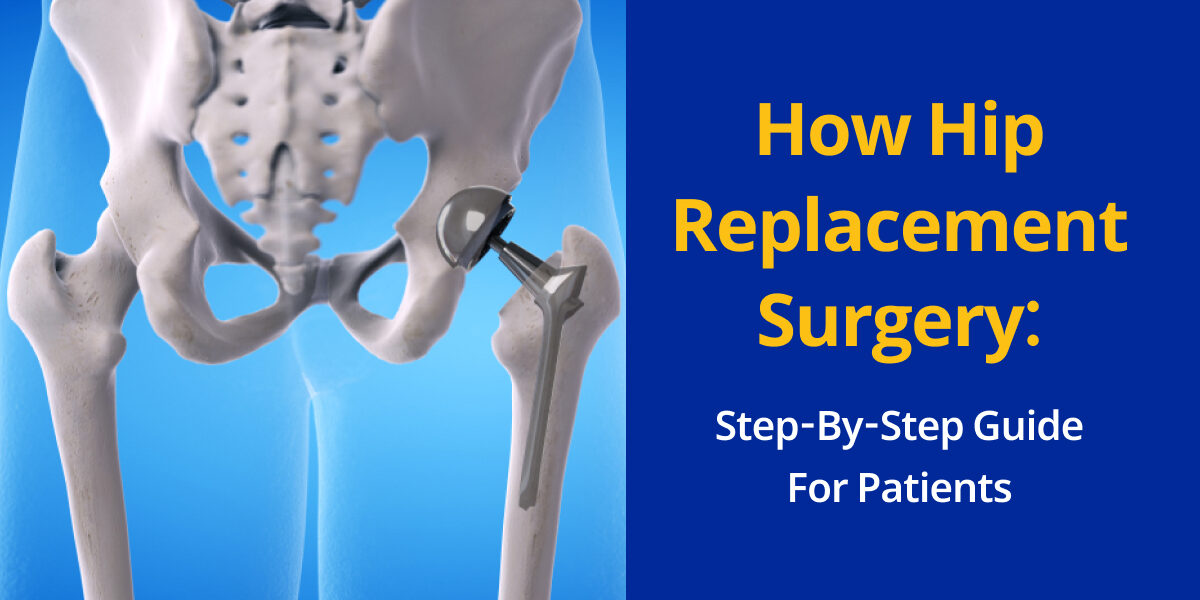
Hip replacement, also known as hip arthroplasty, is a surgical procedure in which a damaged or worn-out hip joint is replaced with an artificial implant. The surgery is designed to relieve pain, improve mobility, and restore function for patients suffering from severe arthritis, fractures, or other hip-related conditions.
Modern hip implants are made of durable materials like metal, ceramic, or high-grade plastics, ensuring long-lasting performance and stability.
Who Needs Hip Replacement Surgery?
Hip replacement is typically recommended for individuals who experience chronic hip pain that interferes with daily activities and does not respond to conservative treatments such as medications, physical therapy, or lifestyle changes.
Common candidates include patients with osteoarthritis, rheumatoid arthritis, avascular necrosis, hip fractures, or congenital hip deformities. A careful evaluation by an orthopedic surgeon helps determine if hip replacement is the most suitable option for a patient’s condition.
Preparing for Hip Replacement Surgery
Pre-Surgery Medical Evaluation
Before undergoing hip replacement, patients must undergo a comprehensive medical evaluation. This includes blood tests, X-rays, MRI or CT scans, and sometimes heart or lung assessments to ensure the patient is fit for surgery. The evaluation also helps the surgeon plan the procedure, select the appropriate implant, and anticipate any potential complications.
Lifestyle and Medication Adjustments
Patients may need to make certain lifestyle changes before surgery, such as quitting smoking, adjusting diet, or improving physical fitness. Additionally, some medications, especially blood thinners, may need to be paused or adjusted under medical supervision to reduce the risk of bleeding during surgery.
Understanding Risks and Benefits
Like all surgeries, hip replacement carries potential risks, including infection, blood clots, implant loosening, or nerve damage. However, the benefits often outweigh these risks, offering significant pain relief, improved mobility, and a better quality of life.
Patients are encouraged to discuss these aspects thoroughly with their surgeon to make an informed decision.
Types of Hip Replacement
Total Hip Replacement
Total hip replacement involves replacing both the hip socket (acetabulum) and the femoral head (the ball of the hip joint) with artificial components. This procedure is usually recommended for patients with severe arthritis or extensive joint damage. Total hip replacement provides long-lasting pain relief and restores full joint function.
Partial Hip Replacement
Partial hip replacement, also known as hemiarthroplasty, involves replacing only the femoral head while leaving the natural hip socket intact. This type of surgery is often performed for certain types of hip fractures, particularly in elderly patients. Recovery is generally quicker than total hip replacement, but it may not address all sources of hip pain.
Minimally Invasive Hip Replacement
Minimally invasive hip replacement uses smaller incisions and specialized surgical techniques to reduce tissue damage. This approach aims to decrease post-operative pain, shorten hospital stays, and speed up recovery. While technically more challenging, it offers many patients a faster return to normal activities with less scarring.
| Type | What is Replaced | Recommended For | Pros | Cons |
| Total Hip Replacement | Both hip socket and femoral head | Severe arthritis or extensive joint damage | Long-lasting; restores full joint function | Longer surgery and recovery time |
| Partial Hip Replacement | Only femoral head | Certain hip fractures, mostly in elderly | Shorter recovery; less invasive | May not relieve all hip pain; limited in arthritis cases |
| Minimally Invasive Surgery | Same as total or partial but with smaller incisions | Suitable candidates for less invasive approach | Less pain; faster recovery; smaller scars | Technically complex; not suitable for all patients |
Step-by-Step Hip Replacement Procedure
Anesthesia and Initial Incision
Hip replacement surgery begins with anesthesia to ensure the patient is pain-free during the procedure. Depending on the patient’s health and the surgeon’s preference, this may involve general anesthesia (where the patient is fully asleep) or spinal/epidural anesthesia (numbing the lower body). Once anesthesia takes effect, the surgeon makes an incision over the hip joint to access the damaged bone and cartilage. The size and location of the incision may vary based on whether the procedure is traditional or minimally invasive.
Removing the Damaged Hip Joint
After the incision, the surgeon carefully removes the damaged femoral head and prepares the hip socket. This involves clearing away arthritic cartilage, damaged bone, or other debris to create a smooth, stable surface for the implant. Proper preparation is critical to ensure the artificial joint fits securely and functions well.
Implanting the Artificial Hip
Next, the surgeon implants the artificial components. The new socket is fitted into the pelvis, often secured with screws or specialized cement, while the femoral stem and ball are inserted into the thigh bone. The components are positioned to restore normal hip alignment and ensure smooth, pain-free movement. Surgeons check the joint’s stability and range of motion before proceeding.
Closing the Incision
Once the implants are securely in place, the surgeon closes the incision with sutures or staples. A sterile dressing is applied to protect the wound, and the hip is often immobilized temporarily to support initial healing. The patient is then moved to a recovery area for monitoring as the anesthesia wears off. Post-operative care, including pain management and early mobilization, begins immediately to support a safe and effective recovery.
Recovery After Hip Replacement
Hospital Stay and Initial Care
- Patients usually stay in the hospital for 2–5 days, depending on the procedure and individual recovery.
- Pain management, wound care, and monitoring for complications begin immediately.
- Early mobilization with the help of a physiotherapist is encouraged to prevent stiffness and blood clots.
Physical Therapy and Rehabilitation
- Structured physical therapy helps restore strength, flexibility, and range of motion in the hip.
- Exercises may include walking, stretching, and strengthening routines, gradually increasing in intensity.
- Rehabilitation programs are tailored to each patient’s needs and progress.
Returning to Normal Activities
- Most patients can resume light activities within a few weeks and return to daily routines in 6–12 weeks.
- High-impact activities should be avoided initially to protect the new joint.
- Long-term lifestyle adjustments may be recommended to maintain hip health.
Risks and Complications
Infection and Blood Clots
- Post-surgery infections can occur at the incision site or deeper around the implant.
- Blood clots in the legs (deep vein thrombosis) are a potential risk and are prevented with medication and early mobility.
Implant Loosening or Wear
- Over time, the artificial hip may loosen or the components may wear out, sometimes requiring revision surgery.
Other Possible Complications
- Nerve or blood vessel injury, leg length differences, and persistent pain may occur, though these are less common.
- Patients are closely monitored to detect and manage any issues early.
FAQs About Hip Replacement Surgery
How long does hip replacement last?
Modern hip replacements are designed to last 15–20 years or longer, depending on the patient’s age, activity level, and overall health. Regular follow-ups help ensure the implant remains in good condition.
Is hip replacement painful?
During surgery, anesthesia ensures there is no pain. After the procedure, some discomfort and soreness are normal but can be managed effectively with prescribed pain medications and proper care. Pain usually decreases steadily as recovery progresses.
When can I walk normally again?
Most patients can begin walking with assistance (walker or crutches) within a day or two after surgery. Normal walking without support often resumes within 6–12 weeks, depending on individual healing and adherence to physical therapy.
Conclusion
Hip replacement surgery is a highly effective procedure for relieving pain, restoring mobility, and improving the quality of life for patients with severe hip joint problems. Key takeaways for patients include understanding the different types of hip replacement, following pre- and post-surgery instructions, and actively participating in physical therapy to ensure optimal recovery.